
AI Dream Team for Solopreneurs
There’s a particular kind of pressure that comes with running a business on your own. It’s not always obvious at first, but it builds over time. You’re making decisions constantly, shifting between roles, and trying to keep things moving without losing direction.
Most people describe this as a lack of time. But in practice, it’s often something quieter and more persistent than that.
It’s the weight of deciding everything alone.
This is where the idea of an AI Dream Team becomes useful. Not as a shortcut or a trend, but as a way of creating a more stable way to think, decide, and run your business.
The real constraint isn’t time
When everything sits with you, even simple decisions begin to carry more weight. You revisit ideas. You second-guess direction. You hold too many open loops in your head at once. Over time, this slows things down in ways that aren’t always visible from the outside.
An AI Dream Team doesn’t remove responsibility, but it changes how you work through it. Instead of holding every decision internally, you create structured points of support. Places where thinking can happen more clearly, and where ideas can be tested before they turn into action.
From tools to roles
One of the more useful shifts is to stop thinking about AI as a single tool. In practice, it works better when it’s shaped into roles.
Each role has a clear function inside your business. Not a general assistant, but something more defined. This is also why understanding what an AI agent is can be helpful before trying to build anything more advanced.
You might recognise some of these roles:
- A strategic layer that helps you think long-term
- A practical layer that supports day-to-day decisions
- A commercial lens that keeps revenue thinking grounded
- A visibility layer that keeps your message consistent
- A growth layer that notices where things are ready to expand
Individually, these are simple. But when they’re connected, something shifts. You’re no longer starting from scratch each time you sit down to work. There’s continuity. The thinking carries forward.
When your AI Dream Team starts to feel like a team
There’s a point where this stops feeling like “using AI” and starts to feel more like working with a team.
Each agent holds a specific role:
- One captures information
- One helps you interpret it
- One turns it into something usable
- One helps distribute it
- One supports how relationships develop over time
On their own, each part is manageable. But when they’re structured together, the process becomes more fluid. Work moves from one stage to the next without you having to restart your thinking every time.
That’s where the idea of an ecosystem comes in. You’re not creating one agent to do everything. You’re creating a group of agents that each hold a role, then allowing them to work together.
Where this connects to deeper work
For some businesses, especially those built around expertise, this goes a step further. Your ideas, frameworks, and ways of working are not just content. They’re part of your intellectual property.
Increasingly, those ideas are being shaped into structured AI systems. This is where conversations around AI Book Companions, turning a book into a living AI asset, and protecting expertise in the age of AI start to become relevant.
Because once your thinking is embedded into an AI system, it’s no longer just supporting you. It is representing you.
That carries a different kind of responsibility.
Filling gaps without overextending
In the earlier stages of a business, hiring for every gap doesn’t always make sense. You might need support with marketing, but not full-time. Or guidance on sales, but not at consultancy level. Or help structuring your ideas into something more scalable.
An AI Dream Team gives you a way to bridge those gaps without committing to permanent overhead.
You can also create more specific agents where needed:
- A research agent that looks for opportunities
- A content agent that shapes ideas into publishable material
- A specialist agent aligned to your client work
These do not need to be perfect. They just need to reduce friction enough that you can keep moving.
A steadier way to run your business
One of the more practical shifts this creates is rhythm.
At the start of the week, you might step into a strategic view and decide what actually matters. During the week, different roles support different decisions. You’re not solving everything from scratch. At the end of the week, you review what moved and what did not. Patterns start to emerge.
It’s a simple structure, but it changes how the business feels. Less reactive, more considered.
AI and responsibility
As this becomes more embedded in your work, there’s a question that tends to surface naturally.
Not just can this be done, but how should it be done properly?
Because when AI starts to reflect your thinking, your methods, or your client work, it stops being a background tool. It becomes part of how your work is experienced.
That is why areas like structure, boundaries, consistency, and ongoing refinement begin to matter more than the technology itself. It is also why experts need to think carefully about how intellectual property can be exposed through AI, especially when they are using public tools or uploading original material without a clear plan.
This is not about making things complicated. It is about recognising that once your work is carried by AI, it still carries your name.
Closing thoughts
An AI Dream Team is not really about doing more. It is about creating a more stable way to think, decide, and move forward in your business.
For some, that simply means less mental load. For others, it becomes the foundation for something larger, where their ideas, content, or even books start to evolve into more structured, lasting assets.
Either way, it begins in the same place. With clearer support around how you work.
Key insights
- Decision fatigue tends to limit growth more than lack of time.
- AI becomes more useful when structured into roles rather than used as a single tool.
- As AI begins to carry your thinking, responsibility and structure matter more.
FAQs
What is an AI Dream Team in simple terms?
An AI Dream Team is a set of AI agents, each with a defined role in your business, working together to support decisions and workflow.
How does this relate to AI Book Companions or AI assets?
An AI Dream Team is often the starting point. From there, your ideas and content can be structured into more advanced systems, such as AI Book Companions.
Do I need to be technical to do this properly?
No. You do not need to be technical, but you do need clarity. The quality of thinking and structure matters more than technical complexity.
About Wendy Kier
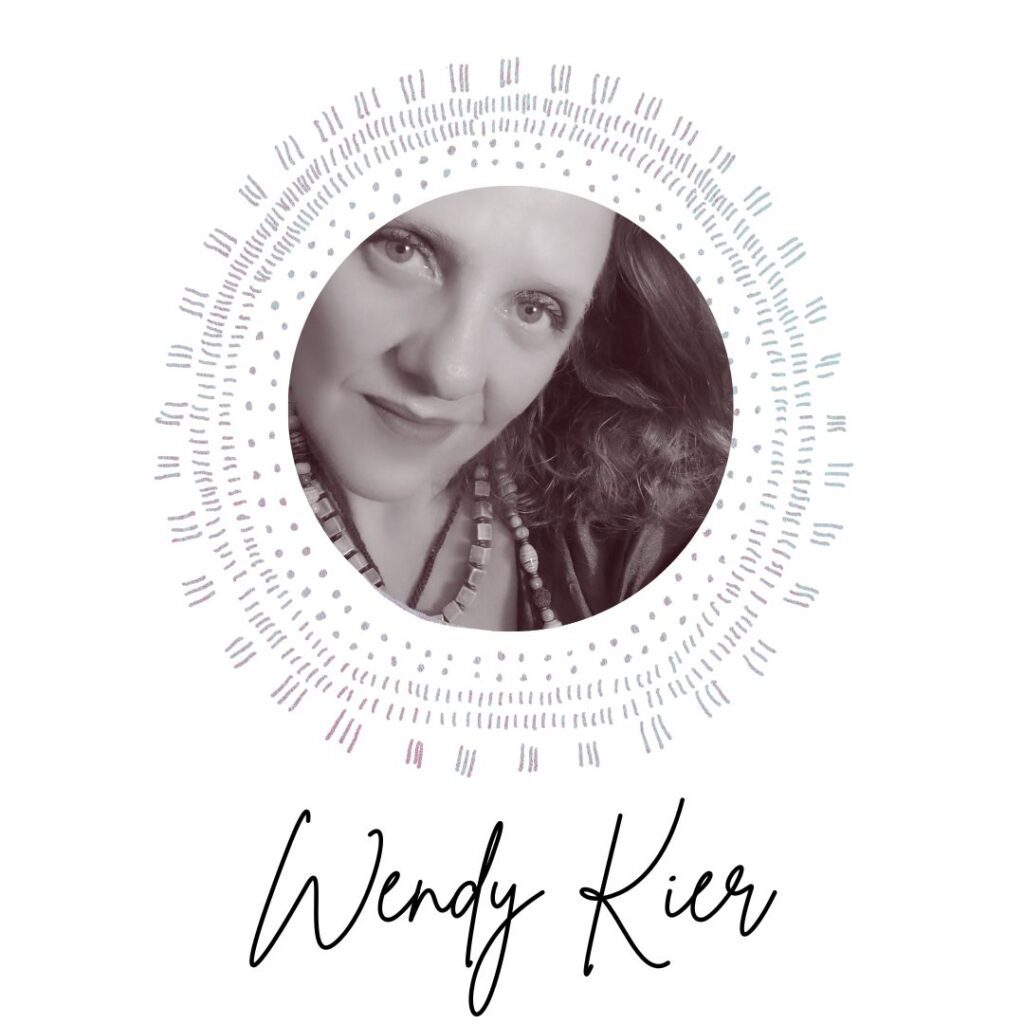
Wendy Kier is an EmpowerAi™ Agent Specialist and the visionary behind the EmpowerED Method™ and EmpowerAi™ Agents.
With over 15 years of experience in helping one-person business owners, streamline and scale their business, Wendy uses AI as a real partner in growth. She blends advanced AI technology with deep empathy, helping her clients save time, boost productivity, and thrive in a competitive business world. Wendy's journey of overcoming dyslexia and self-doubt makes her passionate about helping others reach their potential.
You can find out more about me at About Wendy Kier or connect with me on LinkedIn.