

When an AI Book Companion™ Is the Wrong Choice
Is an AI Book Companion™ Always the Right Move?
No. An AI Book Companion™ is not appropriate for every book, every author, or every stage of business. In some cases, adding structured AI is unnecessary. In others, it may even create complexity where none is required.
That is not a weakness in the model. It is simply a matter of fit.
Understanding when an AI Book Companion™ is the wrong choice is part of responsible governance.
When the Book Does Not Contain a Defined Framework
An AI Book Companion™ is built to operate within intellectual architecture. It works best when a book contains:
• A defined methodology
• Clear conceptual boundaries
• Structured principles
• A coherent framework
If a book is primarily reflective commentary, creative exploration, or loosely structured thought, there may not be enough architecture to justify containment.
In those cases, interaction can feel forced rather than integrated.
Not every book is meant to become an interactive system. Some are meant to remain complete in their static form.
When the Author Does Not Want Ongoing Responsibility
A governed AI Book Companion™ requires clarity before deployment.
Frameworks must be mapped.
Limits must be defined.
Ethical boundaries must be considered.
If an author is looking for a quick enhancement without engaging in structural work, this approach may not be suitable.
An AI Book Companion™ is part of intellectual infrastructure. Infrastructure carries responsibility.
If that responsibility is unwelcome, a lighter tool may be more appropriate.
When the Book Is Not Part of a Larger Ecosystem
An AI Book Companion™ becomes more powerful when the book connects to a wider body of work, programmes, services, professional practice, or ongoing leadership.
If a book stands entirely alone and is not part of a broader ecosystem, the long-term asset value may be limited.
In those cases, the distinction between tool and infrastructure becomes less significant.
This is explored further in the discussion of AI Book Companion™ as an asset.
When Containment Is Not Critical
The need for governance increases when nuance matters.
For authors working in:
• Coaching
• Therapy
• Leadership
• Education
• Professional advisory fields
Boundaries are part of ethical responsibility.
If a book does not carry professional nuance, sensitive subject matter, or defined scope of practice, the structural risks may be lower.
In those circumstances, a simple chatbot may be sufficient. The distinction between AI Book Companion™ vs Chatbots explains this more fully.
When the Primary Goal Is Novelty
Sometimes the motivation is visibility.
To appear innovative.
To experiment publicly.
To test engagement.
There is nothing inherently wrong with experimentation. The difficulty arises when governance is treated as optional while authority is assumed to remain intact.
If the goal is novelty rather than architectural reinforcement, an AI Book Companion™ may not be the correct tool. It is built for containment and long-term positioning, not short-term experimentation.
A Practical Perspective
In practice, some of the strongest decisions I see are authors choosing not to implement immediately.
They recognise that their book needs clearer structure first. Or that their business ecosystem is still forming. Or that their intellectual boundaries are not yet fully articulated.
Delaying implementation can be a sign of strategic maturity rather than hesitation.
An AI Book Companion™ should be installed when architecture is ready, not before.
The Strategic Filter
Before implementing an AI Book Companion™, it is worth asking:
• Does my book contain a defined framework?
• Am I prepared to clarify intellectual boundaries?
• Is this part of a broader long-term ecosystem?
• Do I understand the governance implications?
If the answer to most of these is no, waiting may be the wiser choice.
The core definition of a governed AI Book Companion™ Agent outlines the structural requirements clearly.
Closing
An AI Book Companion™ is a powerful extension when structure exists to support it.
It is unnecessary when architecture is absent.
Knowing when not to implement strengthens authority as much as knowing when to proceed.
Governance includes restraint.
Key Insights
- An AI Book Companion™ is not suitable for every book or author.
- Defined framework and intellectual boundaries are prerequisites.
- Strategic timing matters as much as technical capability.
Frequently Asked Questions About AI Book Companions
Should every author create an AI Book Companion™?
No. This approach is most relevant when the book contains structured methodology or professional nuance requiring containment.
Is it better to wait until my ecosystem is clearer?
In many cases, yes. An AI Book Companion™ functions best when integrated into a defined long-term architecture.
Can I experiment casually with AI first?
You can. However, experimentation without governance may introduce structural drift if the book carries defined frameworks.
Does choosing not to implement weaken positioning?
Not necessarily. Strategic restraint can reinforce authority when structure is not yet fully defined.
The Founder Wendy Kier
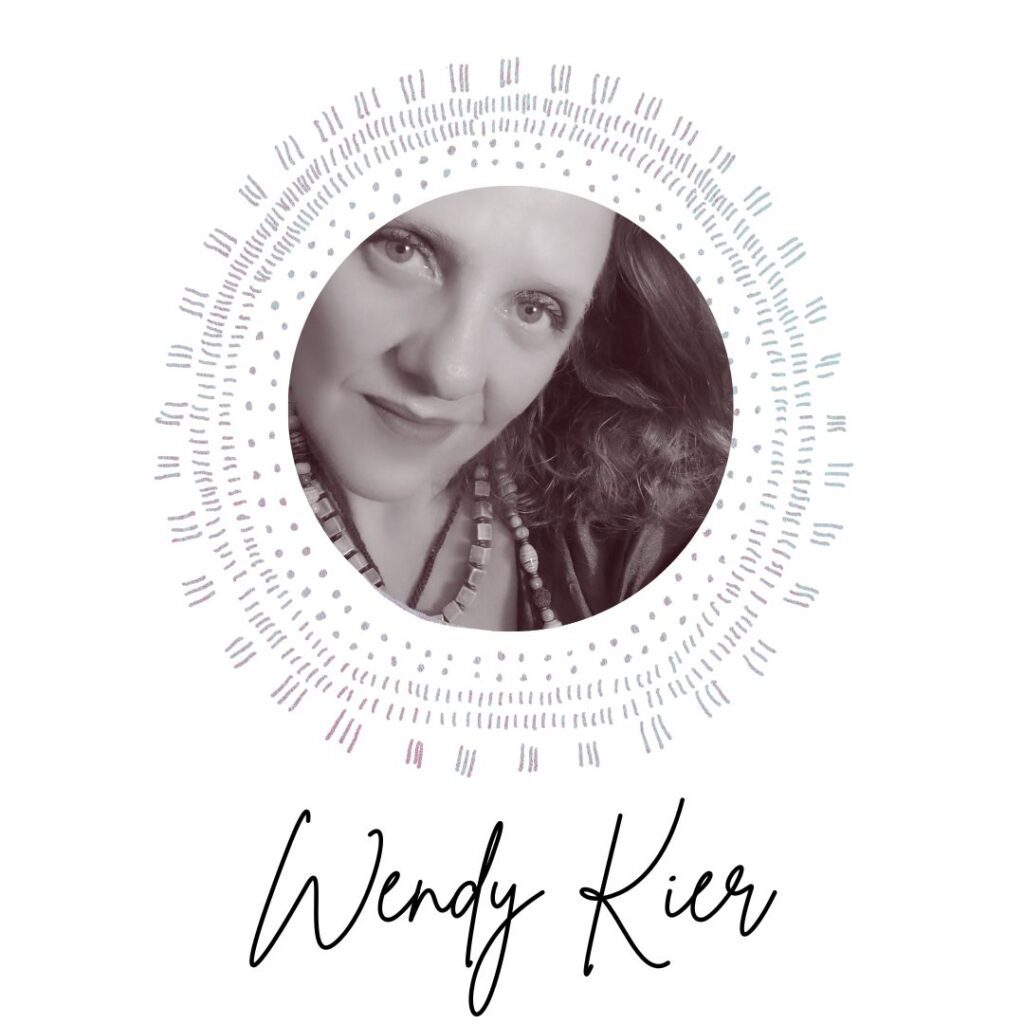
EmpowerAi™ was founded by Wendy Kier, an ethics-first artificial intelligence strategist working at the intersection of authorship, governance, and structured business architecture.
She understands the weight carried by experts whose knowledge cannot scale beyond their personal time and energy.
Her work is grounded in the belief that expertise should be translated into intelligent systems without compromising ownership, voice, or long-term authority.
EmpowerAi™ reflects this position. It is a methodology shaped by lived experience, strategic discipline, and a commitment to building artificial intelligence infrastructure that protects rather than extracts.
The methodology stands independently, but it is led by a founder who understands both the responsibility and the risk involved in architecting expertise for the age of intelligent systems.