

AI Book Companion™ Asset: Not Just a Tool
What Is an AI Book Companion™ Asset?
An AI Book Companion™ Asset is a structured, governed extension of a published book that preserves the author’s intellectual framework, voice, and boundaries over time. It is not a temporary feature layered onto content. It functions as part of the book’s long-term intellectual infrastructure.
That distinction changes how it should be built and how it should be valued.
The Tool Mindset
Most AI conversations begin with utility.
What can it do?
How quickly can it be installed?
How efficiently can it generate responses?
In that context, an AI Book Companion™ is often treated as a feature attached to a book. Something interactive. Something modern. Something designed to increase engagement.
There is nothing inherently wrong with tools. Tools are useful.
But tools are replaceable.
When something is framed purely as a tool, it is evaluated on speed, novelty, and cost. It becomes one option among many. That framing quietly reduces its strategic importance.
Where the Asset Distinction Emerges
An asset behaves differently.
An asset compounds.
An asset strengthens positioning.
An asset increases in value when governed properly.
When a book is extended through a structured AI Book Companion™, the question shifts from functionality to architecture.
- Does it preserve the original framework?
- Does it maintain intellectual containment?
- Does it reinforce authority rather than fragment it?
- Does it integrate into the author’s wider ecosystem?
If those conditions are met, the AI Book Companion™ begins functioning as intellectual infrastructure rather than as a feature.
That is why the phrase AI Book Companion™ Asset matters. It reframes the entire conversation.
Structure Before Automation
The difference between a tool and an asset lies in sequencing.
When an AI Book Companion™ is installed quickly without defined architecture, it remains a feature. It may function adequately, but it does not strengthen long-term authority.
When structure is mapped first, frameworks clarified, limits defined, governance documented, the AI Book Companion™ becomes embedded in the intellectual foundation of the book.
This approach is explained more fully in the core definition of an AI Book Companion™ Agent:
https://wendykier.com/what-is-an-ai-book-companion/
A governed AI Book Companion™ Agent operates within authored architecture. It does not improvise beyond the published work. It reinforces it.
A Practical Example
When we built Bernie Curd’s AI Book Companion™ for The Unrushed Woman, the early discussions were not about capability. They were about containment.
We defined how the Companion would operate within the context of the book and how it would interact with readers responsibly. It needed to reflect her voice, maintain a clear container around her framework, and recognise when a question required signposting to external support rather than further interpretation.
That groundwork was put in place before anything was configured.
Because of that sequencing, the AI Book Companion™ became part of Bernie’s ecosystem rather than a detached feature. It supported book sales, deepened reader engagement, and strengthened movement into her wider services.
You can see the full case study here:
https://wendykier.com/ai-book-companion-bernie-curd/
The Long-Term View
When authors treat an AI Book Companion™ as a tool, they tend to measure:
- Setup time
- Cost
- Surface-level interaction
When authors treat it as an asset, they consider:
- Intellectual property containment
- Authority compounding
- Ecosystem integration
- Longevity
When every reader interaction reinforces the same authored framework, coherence builds. Over time, that coherence strengthens positioning. The book becomes more than a static publication. It becomes a structured system.
Tools are deployed.
Assets are integrated.
The difference may feel subtle at the beginning. It becomes more significant over time.
When It Is (and Isn’t) an Asset
It is important to remain selective.
An AI Book Companion™ becomes an asset when:
- The book contains a defined methodology
- The author’s voice and framework are central to outcomes
- The book supports a broader business architecture
- Governance is built into the configuration
It remains a tool when:
- It is installed without architectural mapping
- Boundaries are undefined
- It operates loosely inside a general generative environment
Not every book requires this level of structure. Where nuance and professional responsibility are central, the distinction becomes more relevant.
Practical Implications for Authors
Viewing your AI Book Companion™ as an asset influences decisions at every stage.
It shapes:
- How you configure it
- Where you host it
- How governance is documented
- How it is positioned publicly
More importantly, it shifts how you value your intellectual property.
When an AI Book Companion™ consistently reinforces your authored framework, every reader interaction strengthens the same intellectual spine. Over time, that consistency compounds authority rather than diluting it.
That is the behaviour of an asset.
Closing
An AI Book Companion™ Asset is defined by governance, containment, and sequencing.
When built intentionally, it becomes part of the intellectual infrastructure surrounding your book rather than a feature attached to it.
If you would like to explore how a structured AI Book Companion™ is implemented, you can review the installation details here:
https://wendykier.com/ai-book-companion/
Key Insights
- An AI Book Companion™ Asset compounds authority rather than simply enabling interaction.
- The distinction between tool and asset lies in governance and sequencing.
- Structure determines whether an AI Book Companion™ strengthens or fragments intellectual positioning.
Frequently Asked Questions About AI Book Companions
What makes an AI Book Companion™ an asset rather than a tool?
An AI Book Companion™ becomes an asset when it is structured around defined intellectual architecture and governance. Without containment, it functions as a feature rather than long-term infrastructure.
Does every book need an AI Book Companion™ Asset?
No. This approach is most relevant where the book contains a defined framework, professional nuance, or supports a broader ecosystem of services.
Can an AI Book Companion™ increase the value of a book?
When governed correctly, it can strengthen reader engagement and reinforce intellectual positioning, contributing to long-term asset value.
Is this mainly about technology?
No. The distinction is architectural rather than technical. The emphasis is on structure, containment, and authority over time.
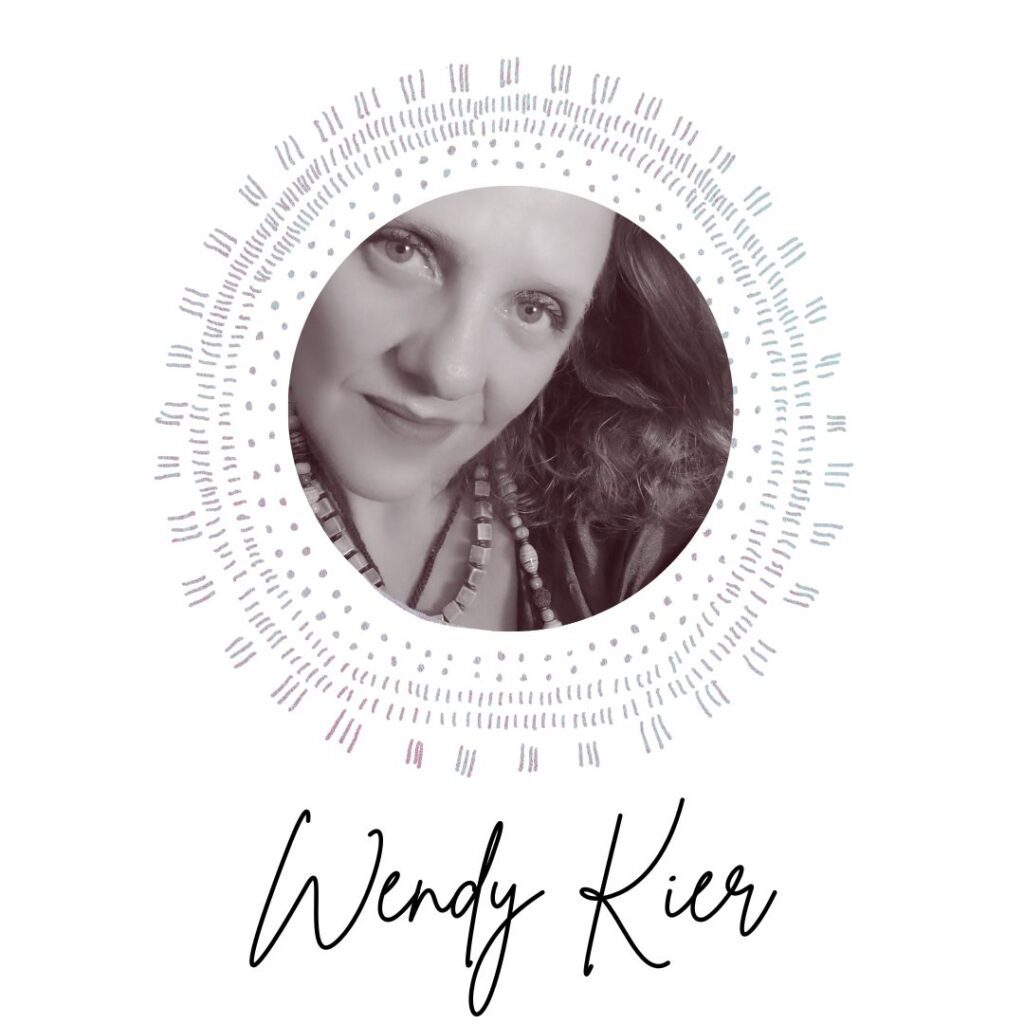
The Founder Wendy Kier
EmpowerAi™ was founded by Wendy Kier, an ethics-first artificial intelligence strategist working at the intersection of authorship, governance, and structured business architecture.
She understands the weight carried by experts whose knowledge cannot scale beyond their personal time and energy.
Her work is grounded in the belief that expertise should be translated into intelligent systems without compromising ownership, voice, or long-term authority.
EmpowerAi™ reflects this position. It is a methodology shaped by lived experience, strategic discipline, and a commitment to building artificial intelligence infrastructure that protects rather than extracts.
The methodology stands independently, but it is led by a founder who understands both the responsibility and the risk involved in architecting expertise for the age of intelligent systems.